
Financial Control Through Knowledge
Most people struggle with money because nobody actually taught them how it works. Banks don't explain compound interest. Employers don't teach budgeting. And credit card companies? They're not exactly incentivized to help you understand APR.
Our program starts in August 2026. It's built around practical workshops, real-world scenarios, and mentors who've been exactly where you are now.
We won't promise you'll be debt-free in six months or earning six figures by year's end. What we will do is show you how to read your financial situation clearly and make informed decisions based on your actual circumstances.
Learn From People Who Get It
Our instructors aren't financial celebrities. They're professionals who've worked with everyday Australians facing real money challenges—from credit card debt to retirement planning to starting small businesses on tight budgets.

Callum Delaney
Spent twelve years helping families in Western Sydney navigate mortgage stress and rebuild emergency funds. His workshops focus on the psychology of spending and practical tracking methods that actually stick.
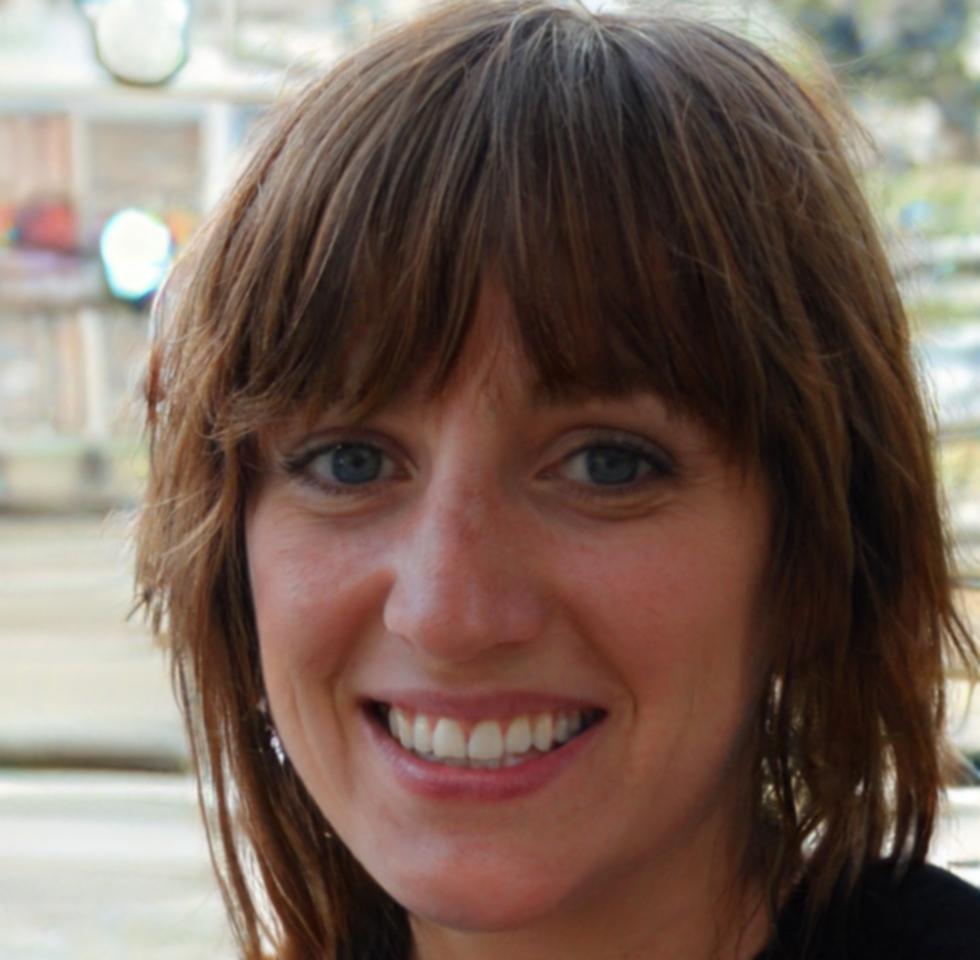
Sienna Voss
Former collections officer turned financial educator. She knows both sides of the debt conversation and teaches negotiation strategies, payment plans, and credit repair without the usual shame.

Henrik Lindgren
Breaks down superannuation, ETFs, and property investment into plain language. No jargon, no schemes—just honest explanations of risk, return, and what different investment vehicles actually do.
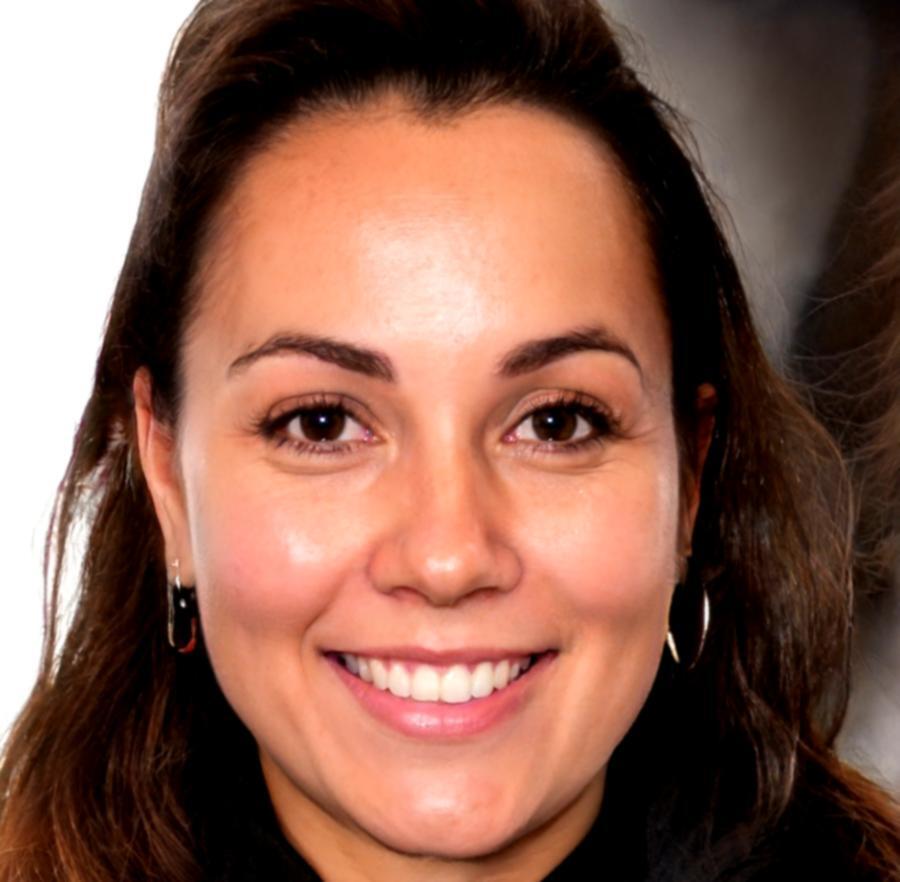
Freya Torvald
Ran three small businesses before moving into education. Teaches cash flow forecasting, pricing strategies, and tax basics for sole traders and small companies. Her approach is grounded in what actually works at scale.
How We Actually Teach This Stuff
Financial education fails when it's too theoretical or too patronizing. We've tried to find a middle path—detailed enough to be useful, but always connected to real situations you might face.
The program runs for sixteen weeks starting August 2026. Two evening sessions per week, plus optional Saturday workshops for deeper dives into specific topics. You'll work with the same small group throughout, which helps build trust and lets people ask the questions they're actually worried about.
Case Study Analysis
We use real (anonymized) financial situations from past participants. You'll analyze household budgets, debt structures, and investment portfolios—then compare your recommendations to what actually happened.
Scenario Planning
What happens if interest rates rise 2%? If you lose your job? If you need to care for an aging parent? We run through contingency planning so you're not figuring it out in crisis mode.
Guest Practitioners
Mortgage brokers, accountants, and financial counsellors visit throughout the program. You can ask them questions directly—no sales pitch, just honest information about how their industries work.

Questions People Actually Ask
Here's what comes up most often when people are considering the program—organized by when they typically get asked.
Do I need to share my personal financial information?
Not unless you want to. The program works with examples and general principles. Some people find it helpful to discuss their actual situation in one-on-one mentor sessions, but that's completely optional and confidential.
What if I'm really far behind with my finances?
Then you're probably exactly who this program is for. We don't assume any baseline financial stability. Several past participants were in active debt collection when they started. The content scales to wherever you're starting from.
Can I catch up if I miss a session?
All sessions are recorded and available within 24 hours. There's also a private online forum where participants share notes and discuss concepts. That said, the in-person discussion is where a lot of learning happens, so we encourage consistent attendance when possible.
Will you teach me specific investment strategies?
We teach how to evaluate investment options and understand risk. We won't recommend specific stocks or funds—that crosses into financial advice, which requires licensing. But you'll learn how to research options and make informed decisions on your own.
Is there ongoing support after the program ends?
Alumni get access to quarterly refresher workshops and the online community stays active. You're also welcome to book occasional one-on-one sessions with mentors at a discounted rate.
What happens if my financial situation changes dramatically?
Major life changes—job loss, health crisis, inheritance—often require revisiting your financial strategy. Alumni can access our crisis planning workshop at no charge and book urgent mentor consultations if needed.
August 2026 Enrollment Opens May 1st
We cap groups at 24 people to maintain discussion quality. If you're interested, reach out early. We're happy to answer questions before you commit.
Get Program Details